Mistakes
10 Cover Letter Mistakes (And How to Fix Them)
Ten common cover letter mistakes and the fixes that make your application clearer, stronger, and more relevant.

Mistakes
Ten common cover letter mistakes and the fixes that make your application clearer, stronger, and more relevant.

Cover letter mistakes can weaken even strong applications when the writing feels generic, unclear, or rushed. The issue is not always a lack of experience. Sometimes the problem is simply that the letter makes it too hard for the employer to see your fit.
That is why this topic matters so much for job seekers. A small mistake in tone, structure, or emphasis can change how much confidence the employer has in the rest of your application.
The good news is that most cover letter mistakes are fixable. Once you know what to look for, you can improve the quality of your applications without rewriting every draft from scratch.
ApplyMate Pro
Save each role, keep your search organised, and use the seven-day reminder workflow to stay on top of follow-ups.

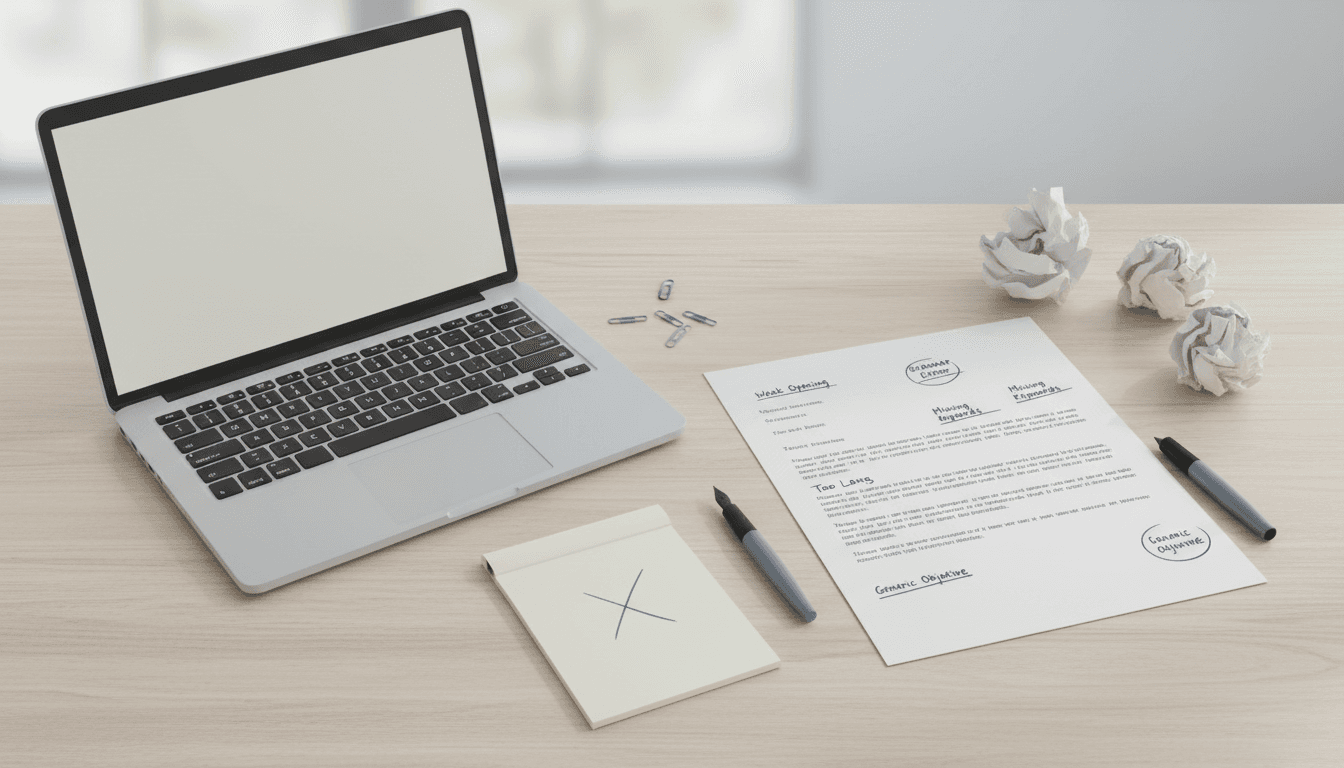
The most common mistakes are predictable, which means they are also preventable. Many weak letters look polished on the surface but still fail because the content does not really help the employer make a decision.
These are the mistakes that show up most often across industries, from office roles and graduate jobs to customer-facing and technical applications.
A cover letter is supposed to make your fit easier to understand. When the letter is too broad or too messy, it forces the employer to do more interpretation work than they want to do.
Weak openings reduce momentum, poor formatting reduces trust, and repetition wastes space that should be used for evidence. Even one or two of these mistakes can make the application feel lower-effort than it really is.
For example, compare the line 'I am a hardworking and passionate professional' with something more specific like 'In customer-facing roles, I have handled high enquiry volumes while maintaining response quality and professionalism.' The second line gives the reader something concrete to believe.
That is why strong editing matters. Most applications do not need more words. They need better choices.
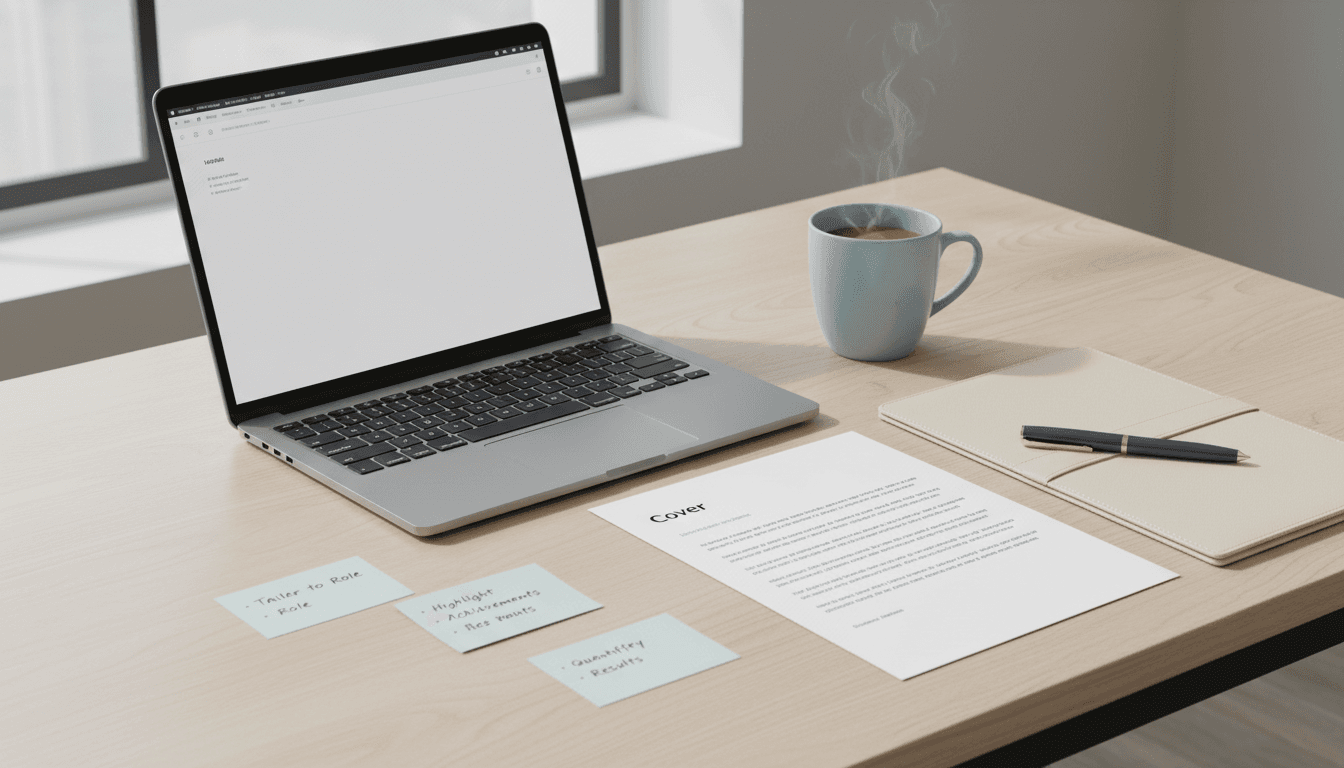
The fastest fixes are practical. Personalize every letter, focus on results instead of broad claims, and keep the structure easy to scan. Remove any sentences that do not help explain why you fit this role.
It also helps to read the letter against the job description. If the employer's priorities are not visible in your opening and body paragraphs, the letter is probably still too generic.
A useful editing method is to ask three questions before you send the file: Does the first paragraph sound specific to this job? Does the body include evidence instead of adjectives? Could this letter be sent to another employer without major changes? If the answer to the last question is yes, keep editing.
If you want role-specific benchmarks, compare Cover Letter for Retail Assistant, Cover Letter for Teacher, and Cover Letter for Administrative Assistant, then read How to Write a Cover Letter and How to Tailor a Cover Letter to a Job Description.
A weak version might say: 'I am writing to express my interest in the role and believe I would be a great fit.' There is nothing technically wrong with that sentence, but it does not help the employer understand why you fit.
A stronger version might say: 'I am applying for the Retail Assistant role because my background in customer service, stock support, and fast-paced floor work matches the level of responsiveness your store requires.'
The difference is not fancy wording. It is specificity. Strong cover letter tips are usually just lessons in being clearer, more relevant, and more economical with each sentence.
Use ApplyMate
ApplyMate helps you turn a job description and your resume into a more tailored cover letter, then refine it before you apply.
You can also save the role in your tracker and keep your application process organised. ApplyMate Pro is built for active job seekers who want help staying on top of follow-ups after 7 days.
FAQ
Using a generic template without tailoring it to the job is one of the fastest ways to weaken an otherwise solid application.
Personalize the letter, focus on results, tighten the structure, and remove anything that just repeats your resume.
Hiring managers usually notice generic openings, poor formatting, obvious typos, and letters that do not connect the candidate to the role.
Profession Pages

Barista Cover Letter
Cafe jobs can be surprisingly competitive in Australia, especially for students and job seekers trying to break into hospitality jobs Australia with limited local experience. A strong barista cover letter should make your customer service, communication, and reliability easy to see from the first few lines. A strong barista cover letter Australia employers take seriously should feel relevant from the opening lines, not generic or over-written. In Australia, employers usually look for cover letters that sound reliable, realistic, and tailored to the pace, safety expectations, and physical environment of the work.
View Guide
Retail Assistant Cover Letter
Retail jobs in Australia can move quickly from simple store support to high-volume customer service, especially in larger centres or peak trading periods. A strong retail assistant cover letter should sound practical, customer-focused, and ready for the pace of the floor from the first paragraph. A strong retail assistant cover letter Australia employers take seriously should feel relevant from the opening lines, not generic or over-written. In Australia, employers usually look for cover letters that sound reliable, realistic, and tailored to the pace, safety expectations, and physical environment of the work.
View Guide
Teacher Cover Letter
Teaching roles in Australia often depend on more than your degree or registration. Schools want to know how you manage a classroom, build trust with students, and support learning in a way that suits their environment. A strong teacher cover letter should make your approach feel practical, calm, and aligned with the students you would teach. A strong teacher cover letter Australia employers take seriously should feel relevant from the opening lines, not generic or over-written. In Australia, employers usually respond best to cover letters that sound practical, people-focused, and grounded in the day-to-day responsibilities of the role.
View GuideRelated Articles

How to Write a Cover Letter (Step-by-Step Guide)
A complete step-by-step guide to writing a professional cover letter that sounds tailored, clear, and worth reading.
Continue Reading
How to Tailor a Cover Letter to a Job Description
A practical guide to tailoring your cover letter around the job description instead of sending a generic draft.
Continue Reading
Cover Letter Tips That Make Your Application Stronger
Practical cover letter tips for writing clearer openings, stronger body paragraphs, and better job-specific applications.
Continue Reading