Writing Tips

Cover Letter Tips That Make Your Application Stronger

ApplyMate Team2026-03-21
cover letter tipscover letter guidejob applications

Practical cover letter tips for writing clearer openings, stronger body paragraphs, and better job-specific applications.

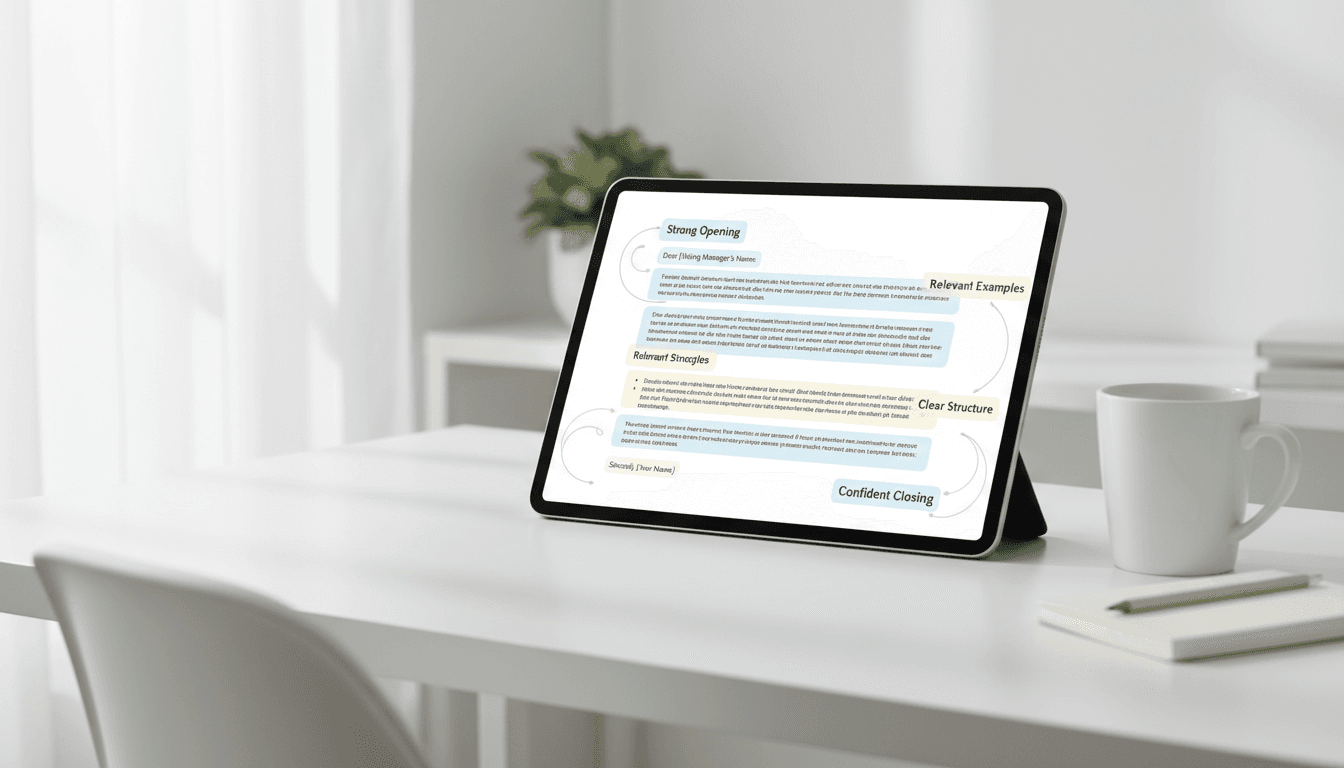
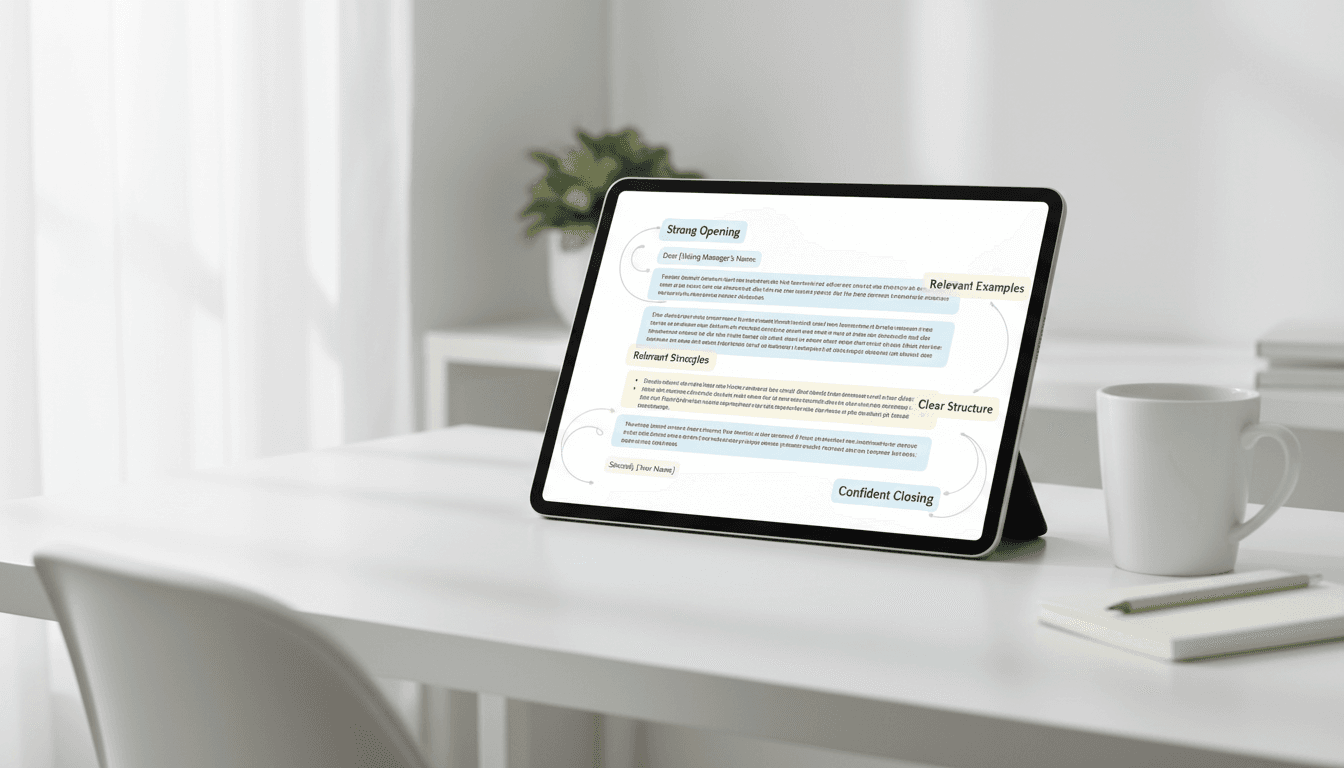
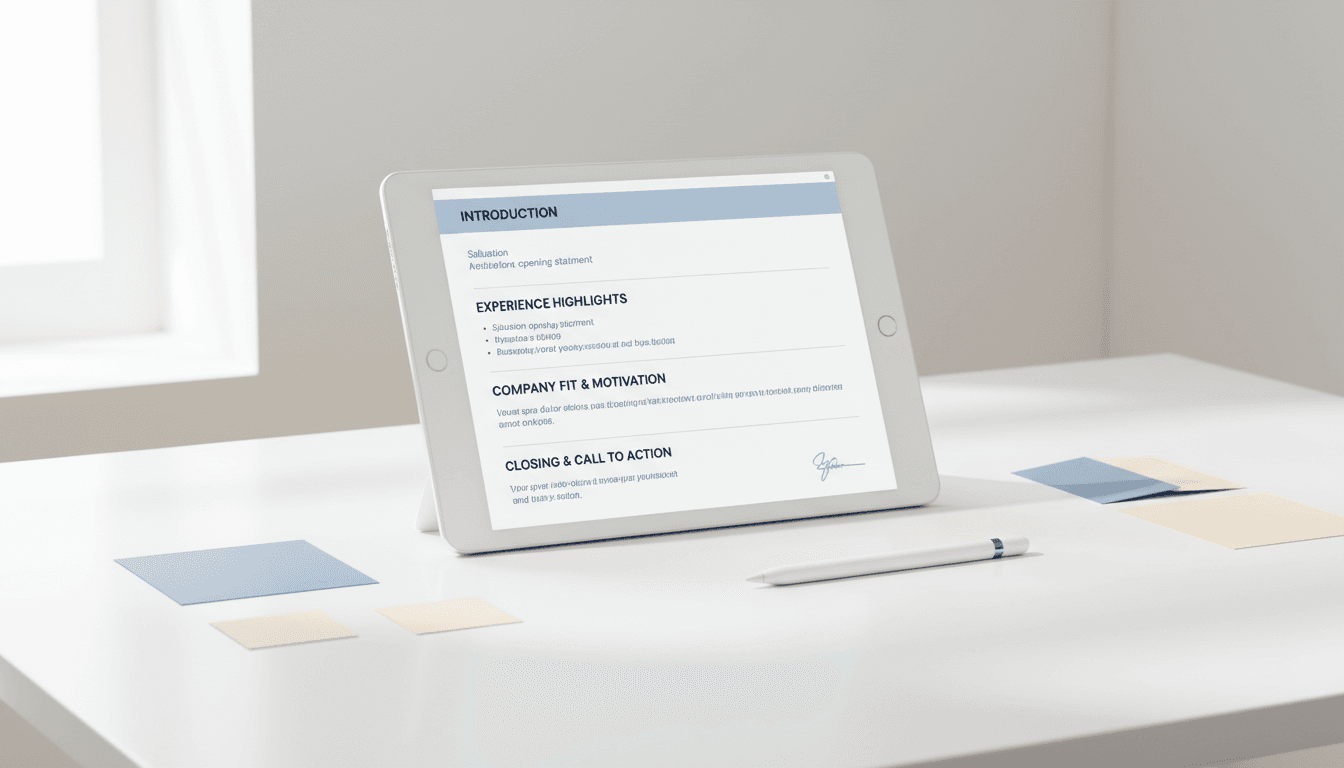
Cover letter structure diagram

Cover letter tips that actually improve your application

The best cover letter tips are usually not about sounding more impressive. They are about making your value easier to understand. A hiring manager should be able to read your letter quickly and see why you fit the role without doing extra interpretation work.

That is why the strongest cover letters feel clear rather than clever. They sound specific to the role, they use evidence instead of empty adjectives, and they stay focused on the employer's priorities instead of drifting into autobiography.

If you are writing multiple applications in the same week, these cover letter tips can save time because they help you edit with a purpose. Instead of wondering whether a sentence sounds nice, you can ask whether it helps the employer make a decision.

ApplyMate Pro

Track your job applications and send follow-ups automatically with ApplyMate Pro

Save each role, keep your search organised, and use the seven-day reminder workflow to stay on top of follow-ups.

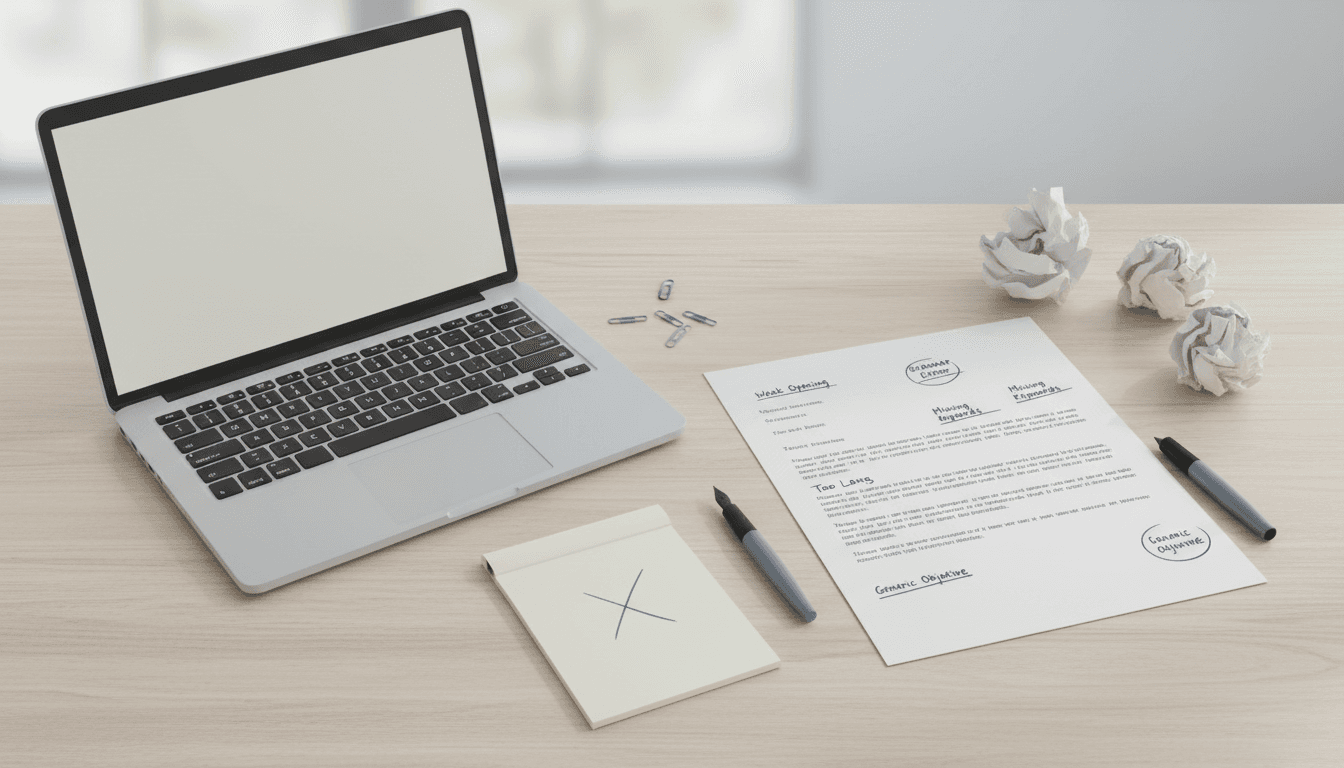
Example cover letter breakdown

Start with a sharper opening

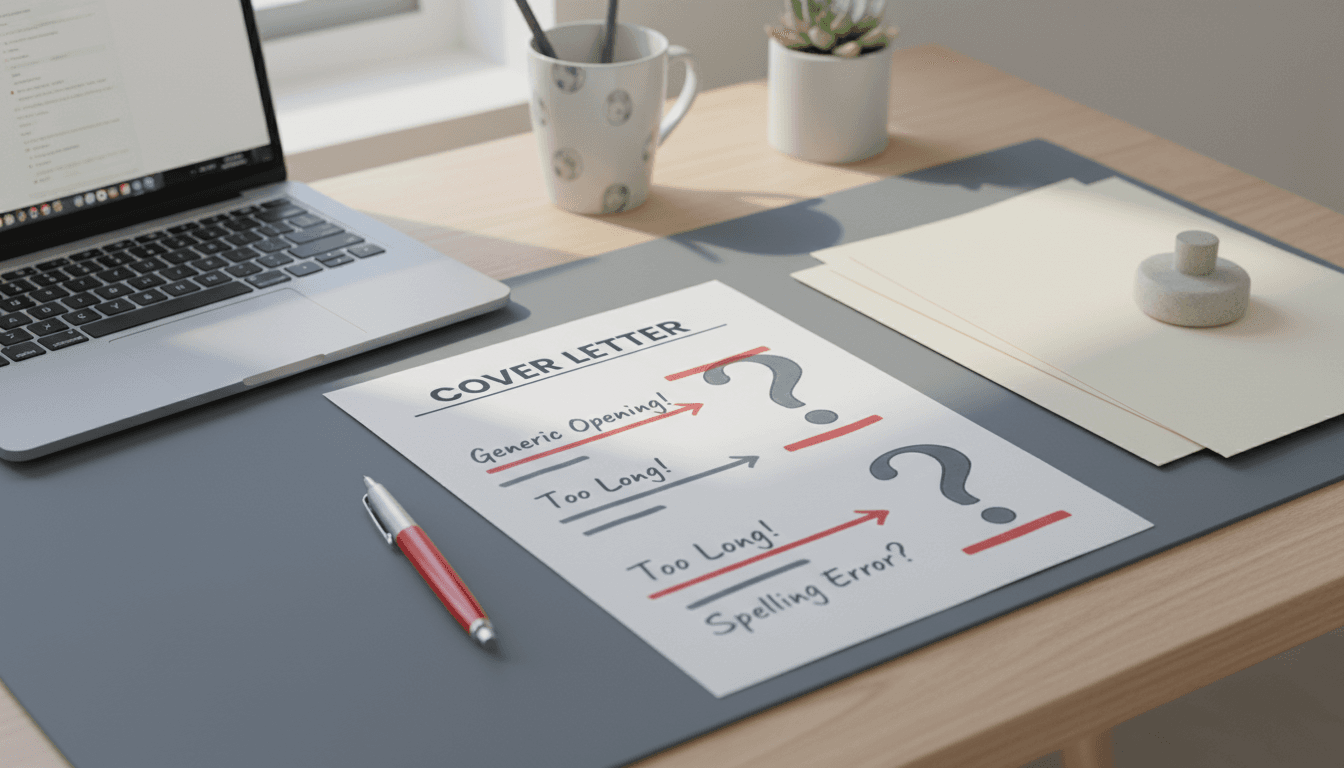
One of the most useful cover letter tips is to fix the first paragraph before you worry about anything else. Weak openings often sound interchangeable: 'I am writing to express my interest in the role.' Strong openings identify the role, hint at your most relevant strength, and sound immediately connected to the job.

For example, a weak line for a support role might say, 'I am a hardworking professional looking for a new opportunity.' A stronger version could say, 'I am applying for the Administrative Assistant role because my background in scheduling, document handling, and team support matches the coordination this position requires.'

That change works because it replaces abstraction with relevance. The same principle applies across professions, whether you are writing a Cover Letter for Administrative Assistant, a Cover Letter for Nurse, or a Cover Letter for Software Engineer.

Use fewer claims and better examples

Many candidates overload their letter with claims like motivated, passionate, detail-oriented, and team player. None of those words are wrong, but they become much stronger when paired with a short example.

Instead of saying you have strong customer service skills, say that you handled high enquiry volumes while keeping response quality and professionalism high. Instead of saying you are organised, say that you coordinated schedules, managed records, or kept deadlines visible across multiple teams.

A good editing rule is simple: every broad claim should either be replaced with evidence or supported by a specific situation. That one habit improves the quality of most cover letters immediately.

  • Replace adjectives with evidence wherever possible.
  • Choose examples that match the target role, not your entire background.
  • Keep each example short enough to support the point without taking over the whole letter.
Match your tone to the role

Not every cover letter should sound the same. That is one of the most overlooked cover letter tips. A marketing application can sound a little more commercially energetic. A nursing letter should sound calm and professional. A warehouse or construction application should sound practical, reliable, and safety-aware.

This does not mean changing your personality on the page. It means choosing language that fits the context of the job. A customer-facing role should highlight professionalism and communication. A technical role should show problem-solving and clarity. A trade role should sound grounded and dependable.

If you want to see how that changes in practice, compare Cover Letter Examples with How to Tailor a Cover Letter to a Job Description. Those two guides make it much easier to hear the difference between generic writing and role-aware writing.

Keep the body focused on employer value

One of the strongest cover letter tips for conversion is to ask what the employer gains by hiring you. Your body paragraphs should answer that question directly. What problems can you solve? What habits make you useful? What outcomes can you support?

For example, if you are applying for a project role, talk about coordination, delivery, and stakeholder alignment. If you are applying for customer service, focus on communication, issue resolution, and professionalism under pressure. If you are applying for a graduate role, emphasize projects, placements, and the ability to learn quickly.

This is also where internal linking becomes helpful for readers. Someone working on a graduate application may want to compare this advice with Cover Letter for Graduates With No Experience before writing their next draft.

Edit for clarity before you send

The last of these cover letter tips is really an editing habit: cut whatever does not strengthen your fit. If a sentence could be removed without changing the employer's understanding of your value, it probably does not need to stay.

Read the draft against the job description one final time. The opening should feel tailored. The body should include proof, not filler. The close should sound confident and direct. That final pass is where average letters often become convincing ones.

If you want a stronger editing checklist, pair this article with How to Write a Cover Letter and 10 Cover Letter Mistakes (And How to Fix Them). Together, they cover structure, examples, and the most common errors in one workflow.

Use ApplyMate

Turn this advice into a faster first draft

ApplyMate helps you turn a job description and your resume into a more tailored cover letter, then refine it before you apply.

You can also save the role in your tracker and keep your application process organised. ApplyMate Pro is built for active job seekers who want help staying on top of follow-ups after 7 days.

FAQ

Cover Letter Tips That Make Your Application Stronger FAQs

What are the best cover letter tips for job seekers?+

The best cover letter tips are to tailor the opening, focus on relevant evidence, keep the letter concise, and make sure each paragraph supports your fit for the role.

How many examples should I include in a cover letter?+

Usually one or two strong examples are enough. Too many examples can make the letter long and unfocused.

What cover letter tips improve readability fastest?+

Use short paragraphs, clear role-specific language, concrete examples, and a simple structure that is easy for employers to scan.

Profession Pages

Related profession guides

Related Articles

More blog posts