Do you need a cover letter with no experience in Australia?
Yes, in many cases you still do. In Australia, a cover letter is often the document that explains why a student or graduate is worth interviewing even when their resume is short. A hiring manager can already see that you are early-career. What they want next is a reason to believe you will still add value.
That is why an entry level cover letter Australia strategy matters. A resume can list your degree, your placements, your projects, and any part-time work you have done. But a cover letter helps turn those facts into a story that feels relevant to a real Australian job application.
For international students in Australia, this is even more important. Australian employers often want direct, practical communication. They want to understand quickly why you are applying, what strengths you already have, and how those strengths connect to the role in front of them.
The goal is not to pretend you already have years of experience. The goal is to show that you understand the role, that you can learn quickly, and that you already have habits that make you worth shortlisting.
What Australian employers expect from entry-level candidates
Australian employers usually do not expect entry-level candidates to arrive fully formed. What they often expect instead is attitude, willingness to learn, reliable communication, and signs that you can handle the basics of work well. That includes turning up prepared, taking feedback seriously, and understanding that even entry level jobs require professionalism.
In practice, that means your no experience cover letter Australia draft should sound direct, role-specific, and grounded in real examples from study, customer work, placements, volunteering, or projects. Overly formal writing usually performs worse than clear and relevant writing because it sounds less believable.
Employers in Australia also respond well to candidates who connect their background to the job instead of talking only about ambition. If you worked part-time while studying, handled customers, completed team assignments, or balanced deadlines across university and work, those are all useful signals in a graduate job application Australia context.
If you are trying to understand how this sounds in different roles, compare How to Write a Cover Letter, Cover Letter for Business Analyst, and Cover Letter for Marketing Manager.
- Clear communication instead of over-written language
- Reliability and willingness to learn
- Examples that connect to the role, not just generic enthusiasm
Entry Level Cover Letter Example (Australia)
A useful example for students should sound credible, not apologetic. It should show effort, local relevance, and a realistic understanding of the role. For many graduate jobs and entry level jobs in Australia, that means a short opening, one or two concrete examples, and a closing that sounds confident without trying too hard.
Example:
Dear Hiring Manager, I am applying for the entry-level operations role because my university study, project-based coursework, and customer-facing casual work have helped me build the communication, organisation, and problem-solving skills your team is looking for. Through group assignments and part-time work, I have learned how to manage deadlines, work with different personalities, and stay reliable when priorities change quickly. I am especially interested in this opportunity because it offers the chance to contribute in a practical role while continuing to build experience in the Australia job market. I would welcome the opportunity to discuss how I could contribute to your team. Thank you for your consideration.
That kind of example works because it sounds relevant straight away. It frames study and early experience as evidence, which is exactly what a strong entry level cover letter Australia draft should do. It also sounds more natural for Australia than a highly formal, overly polished template.
How to write a cover letter with no experience
Start by naming the role clearly and explaining why you are applying. Your opening should tell the employer what job you want and why your background makes sense, even if that background comes mostly from university, TAFE, projects, volunteering, or part-time work.
Next, choose one or two examples that feel close to real work. That might be a group assignment where you managed deadlines, a placement where you communicated with clients, a hospitality role where you handled pressure, or a project where you solved a practical problem. In a no experience cover letter Australia draft, examples matter more than adjectives.
Then connect those examples back to the role. Do not just say you are organised, motivated, or hardworking. Explain what you did and why it matters for the position. In Australia, that usually reads better than highly promotional language.
Finally, keep the close simple and professional. A graduate job application Australia letter does not need a dramatic ending. It just needs to make clear that you are interested, relevant, and ready to be considered.
- Open with the role and your strongest relevant evidence
- Use examples from study, placements, projects, volunteering, or part-time work
- Match your examples to the job description
- Close clearly and confidently
Common mistakes to avoid
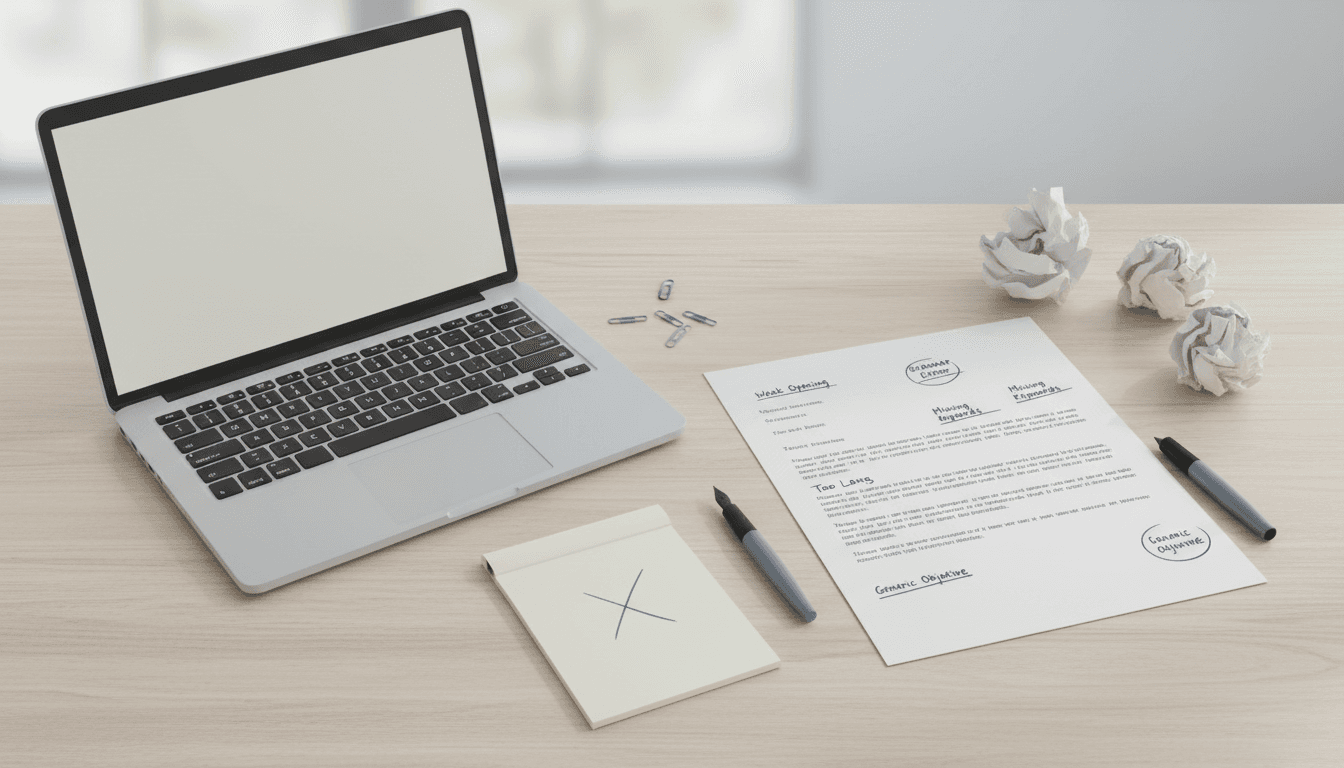
The most common mistake is opening with what you do not have. Lines like 'I know I do not have much experience' weaken the application immediately. A stronger approach is to lead with what you can already offer.
Another mistake is using generic writing. Many students and graduates copy a broad template that could be sent to any employer in Australia. That usually leads to a letter that feels detached from the actual role and too weak to improve interview chances.
A third mistake is sounding too formal or robotic. In Australia, a cover letter usually works better when it sounds clear, natural, and specific. If the tone feels imported from a corporate template or reads like AI filler, it can hurt trust instead of helping it.
Finally, avoid repeating your resume. The cover letter should interpret your background, not duplicate it. It should help Australian employers understand how your limited experience still connects to the work they need done.
- Apologising for limited experience
- Using generic template language
- No personalisation to the role or company
- Too formal or robotic tone
- Repeating the resume without adding relevance
Tips to increase your chances of getting interviews in Australia
Tailoring matters more than volume. If you are applying across many graduate jobs and entry level jobs, it is tempting to send the same draft everywhere. But in Australia, small adjustments to the opening, examples, and wording can make your application feel far more relevant.
Following up also matters. Not every employer will respond, but a well-timed follow-up can show professionalism and genuine interest. In many parts of the Australia job market, checking in after a few business days is normal if the employer has not asked you not to.
You should also think about your whole graduate job application Australia workflow, not just the letter itself. Keep track of what you applied for, which version of your application you sent, and when it makes sense to follow up. That kind of organisation often separates applicants who stay consistent from applicants who lose momentum halfway through the process.
To save time, many job seekers use tools to generate tailored cover letters quickly. That can be especially helpful when you need to keep applications relevant across multiple roles in Australia without spending hours rewriting the same structure every time.
- Tailor each application to the role
- Use clear examples instead of broad claims
- Follow up professionally after applying
- Track your applications so you do not lose momentum