how to write a cover letter
How to Write a Cover Letter
Learn how to write a cover letter that sounds tailored, clear, and worth reading, then generate your own faster with ApplyMate.
If you are not sure how to write a cover letter, the best place to start is not with fancy wording. It is with relevance. A good cover letter makes it obvious why your background fits the role, what examples the employer should notice, and why your application is worth a closer look.
Faster start
Learn the basic structure, then move straight into a tailored draft instead of staring at a blank page.
Stronger fit
See how stronger openings, examples, and closings sound across different roles.
Better workflow
Use ApplyMate to draft faster and keep your applications organised in one place.
Related cover letters
Profession pages linked from how to write a cover letter

Software Engineer
Software engineer roles in Australia are competitive, especially when employers are comparing candidates with similar stacks on paper. A stronger cover letter helps you move beyond a list of languages and show how you build features, improve systems, and work well with product, design, and QA in a real delivery environment. A strong software engineer cover letter Australia employers take seriously should feel relevant from the opening lines, not generic or over-written. In Australia, employers usually respond well to cover letters that connect technical work to shipped outcomes, clear communication, and relevance to the job description.
View Guide
Nurse
Nursing roles in Australia can be highly competitive, particularly in hospitals, aged care, and community settings where employers need people who can contribute safely from the start. A strong nurse cover letter should show more than compassion. It should make your patient care, documentation, and communication skills feel credible in a real clinical environment. A strong nurse cover letter Australia employers take seriously should feel relevant from the opening lines, not generic or over-written. In Australia, employers usually respond best to cover letters that sound practical, people-focused, and grounded in the day-to-day responsibilities of the role.
View Guide
Project Manager
Project manager roles in Australia usually require more than familiarity with delivery frameworks. Employers want confidence that you can keep work moving, align stakeholders, and handle pressure without losing visibility on scope, timing, or outcomes. A good project manager cover letter should sound organised, credible, and commercially aware. A strong project manager cover letter Australia employers take seriously should feel relevant from the opening lines, not generic or over-written. In Australia, employers usually prefer cover letters that are direct, commercially relevant, and tailored to the practical outcomes the role is expected to deliver.
View Guide
Teacher
Teaching roles in Australia often depend on more than your degree or registration. Schools want to know how you manage a classroom, build trust with students, and support learning in a way that suits their environment. A strong teacher cover letter should make your approach feel practical, calm, and aligned with the students you would teach. A strong teacher cover letter Australia employers take seriously should feel relevant from the opening lines, not generic or over-written. In Australia, employers usually respond best to cover letters that sound practical, people-focused, and grounded in the day-to-day responsibilities of the role.
View Guide
Accountant
Accountant roles in Australia often attract applicants with similar qualifications, so your cover letter needs to show how you actually work with financial data, reporting deadlines, and compliance requirements. A stronger accountant cover letter should sound commercially aware, accurate, and grounded in real finance work rather than broad statements about being detail-oriented. A strong accountant cover letter Australia employers take seriously should feel relevant from the opening lines, not generic or over-written. In Australia, employers usually prefer cover letters that are direct, commercially relevant, and tailored to the practical outcomes the role is expected to deliver.
View Guide
Delivery Driver
Delivery driver roles in Australia are often judged on the basics that customers notice immediately: whether you arrive on time, handle goods properly, and stay professional when the route changes or traffic gets messy. A strong delivery driver cover letter should show route discipline, safe driving, and calm customer-facing service. A strong delivery driver cover letter Australia employers take seriously should feel relevant from the opening lines, not generic or over-written. In Australia, employers usually look for cover letters that sound reliable, realistic, and tailored to the pace, safety expectations, and physical environment of the work.
View GuideRelated articles
Read the next supporting guide
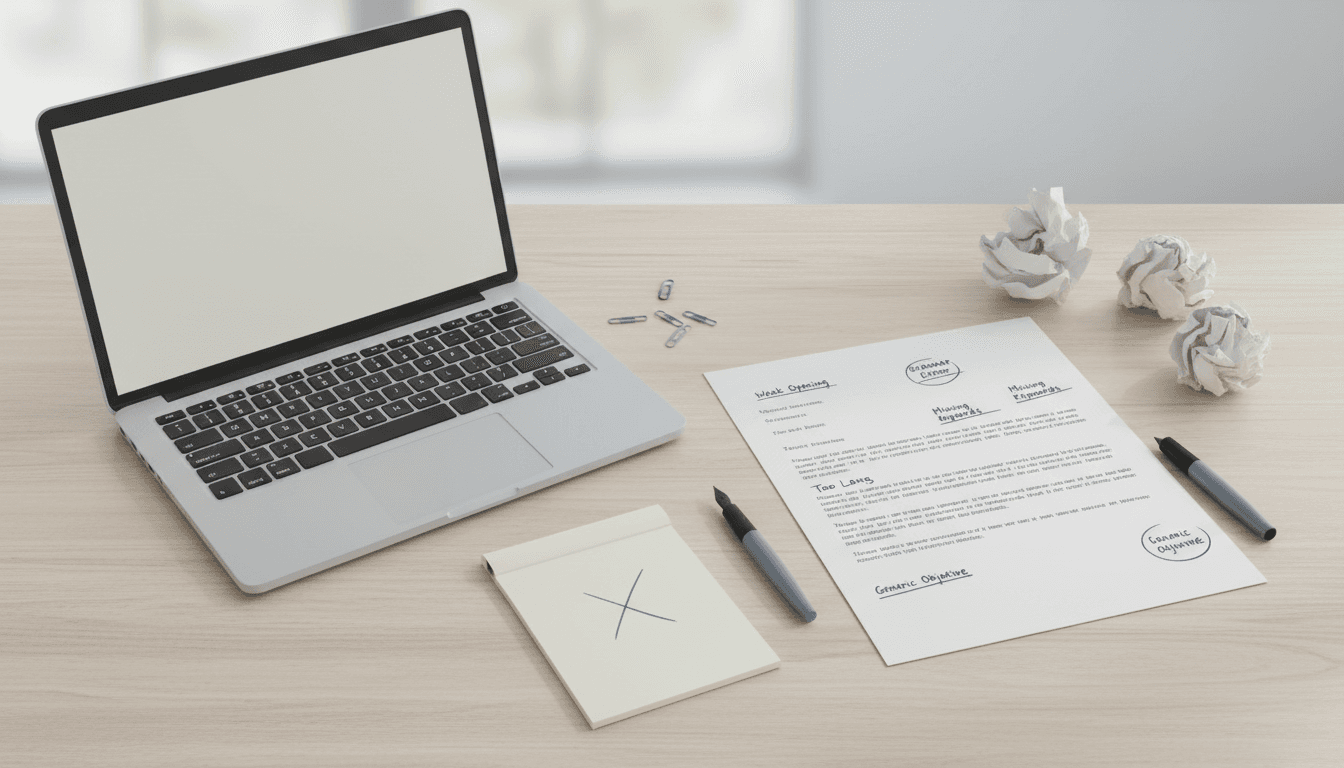
How to Write a Cover Letter (Step-by-Step Guide)
A complete step-by-step guide to writing a professional cover letter that sounds tailored, clear, and worth reading.
Continue Reading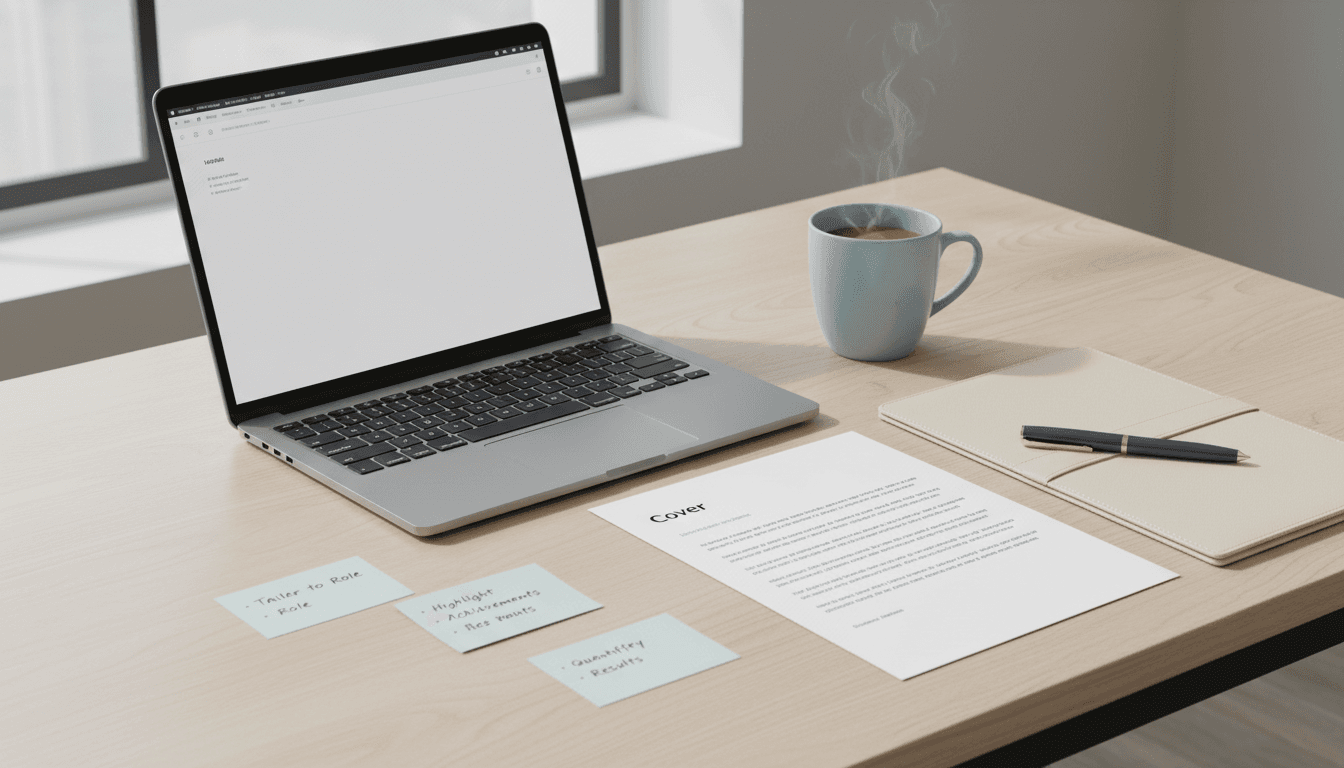
Cover Letter Tips That Make Your Application Stronger
Practical cover letter tips for writing clearer openings, stronger body paragraphs, and better job-specific applications.
Continue ReadingFAQ
How to Write a Cover Letter FAQs
Quick answers for Australian job seekers using ApplyMate to draft faster, tailor better, and keep applications moving.
What is the easiest way to write a cover letter?+
Start with the role, choose your two strongest examples, and connect them clearly to what the employer needs. In practice, simple structure and relevant detail outperform clever but unfocused writing.
Do Australian employers still read cover letters?+
Many do, especially for professional, graduate, and competitive roles. From a hiring perspective, a clear cover letter still helps explain fit faster than a resume alone.
What should I avoid when writing a cover letter?+
Avoid vague claims, long introductions, and language that could be sent to any company. Australian applications usually perform better when the tone is direct, natural, and tied closely to the job description.